On September 1–3, in the Norwegian town of Lillestrøm, a quiet yet powerful revolution took place. For the first time in history, at Norway’s renowned Oslo Design Fair, the Ukrainian flag appeared alongside a National Pavilion. And it became much more than just a business event.
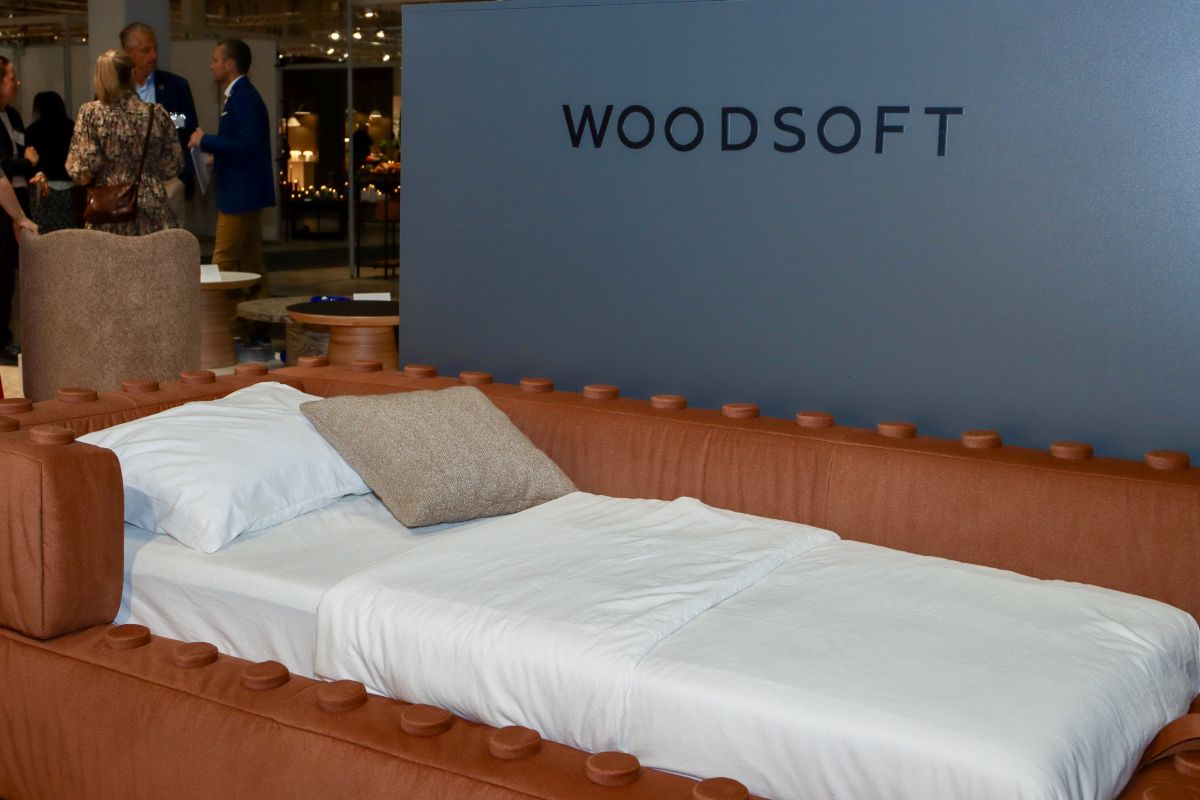
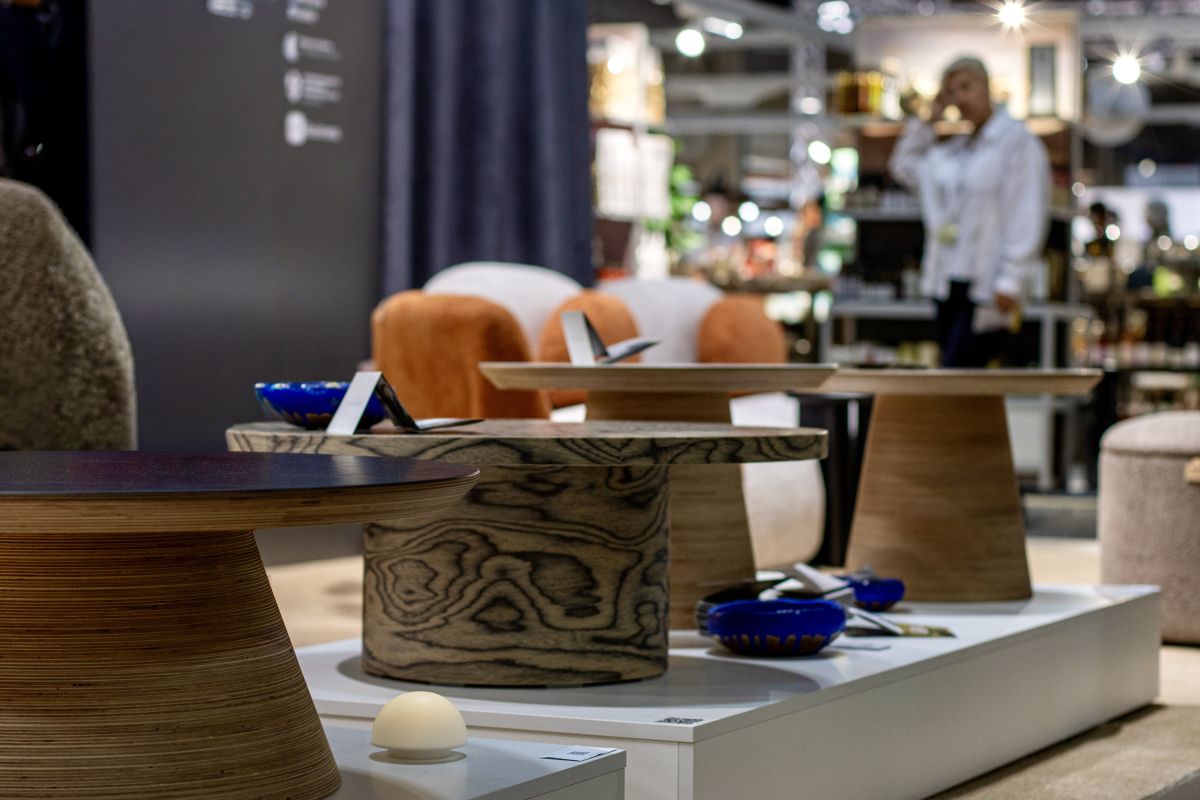
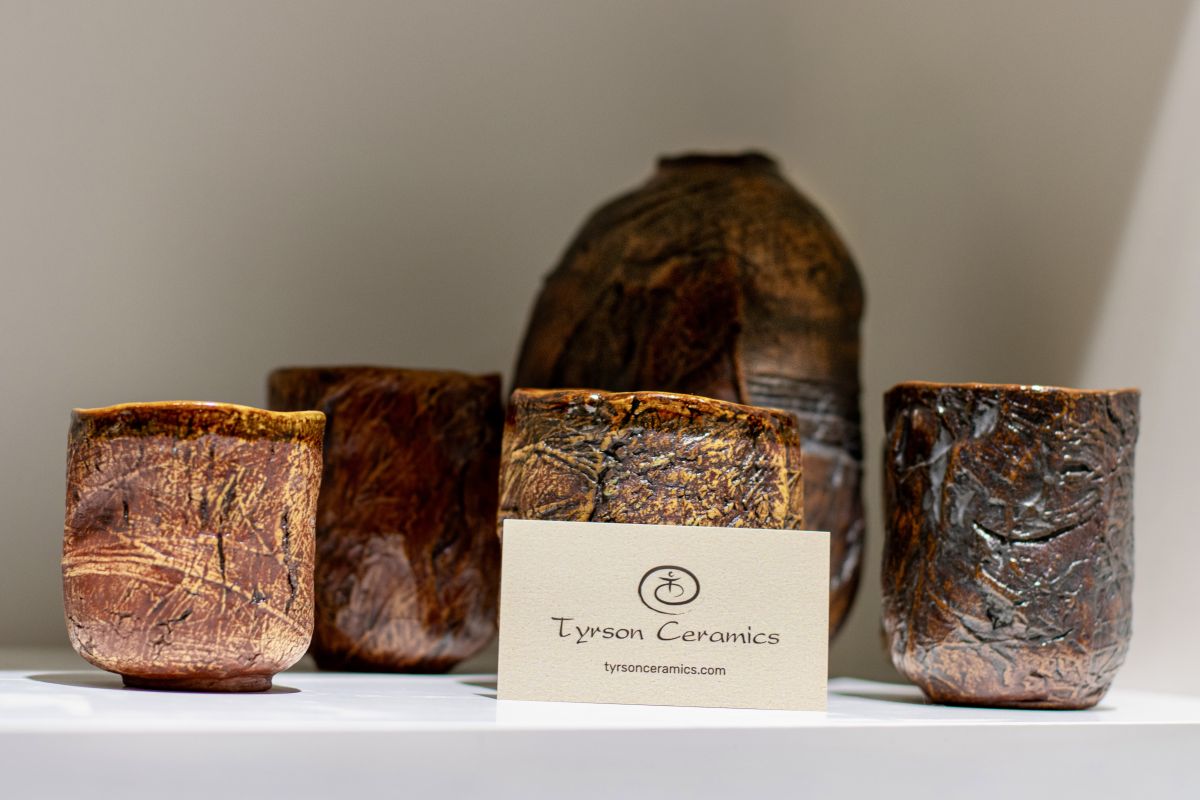
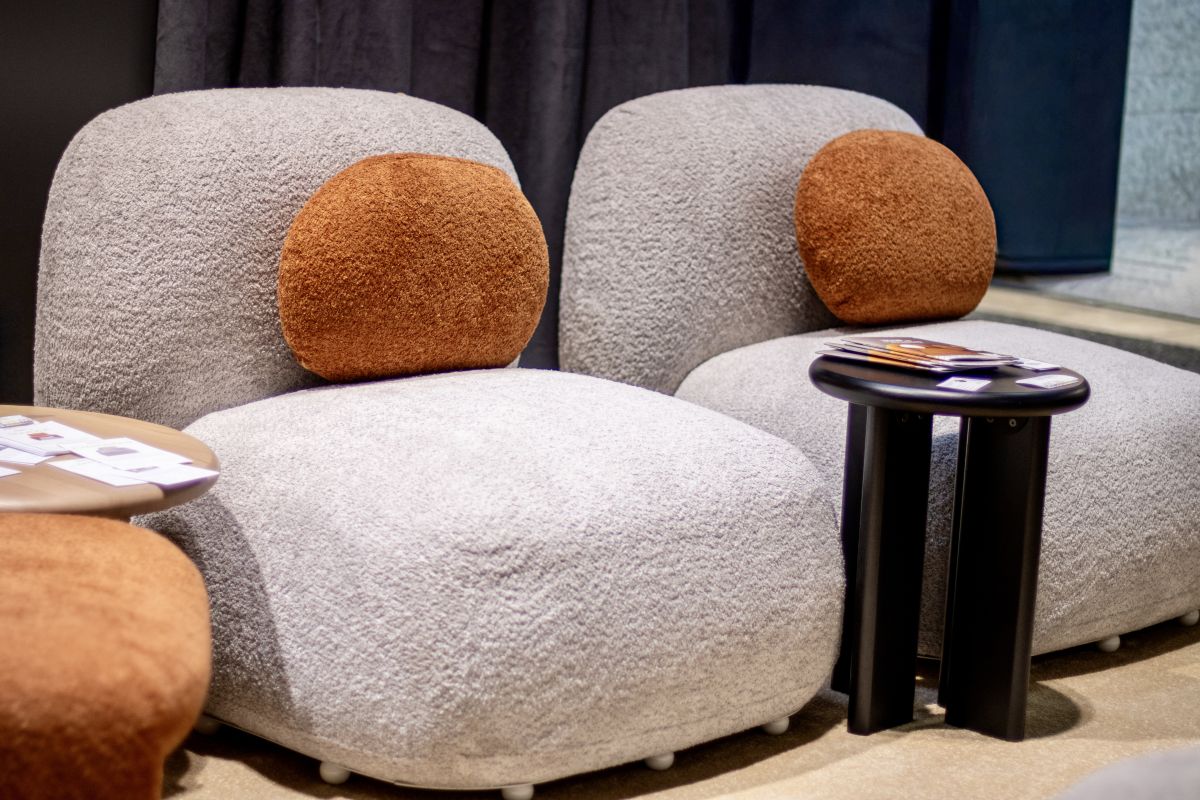
Imagine walking into a vast exhibition hall where, next to world-famous Scandinavian brands, stands a booth adorned with Ukrainian symbols. On display are functional urban furniture from Fix Union, refined lighting by Pikart, ceramic objects by Mych Objects. The air is filled with a chorus of languages — Norwegian, English, and Ukrainian.
This is not just an exhibition. This is a manifesto.
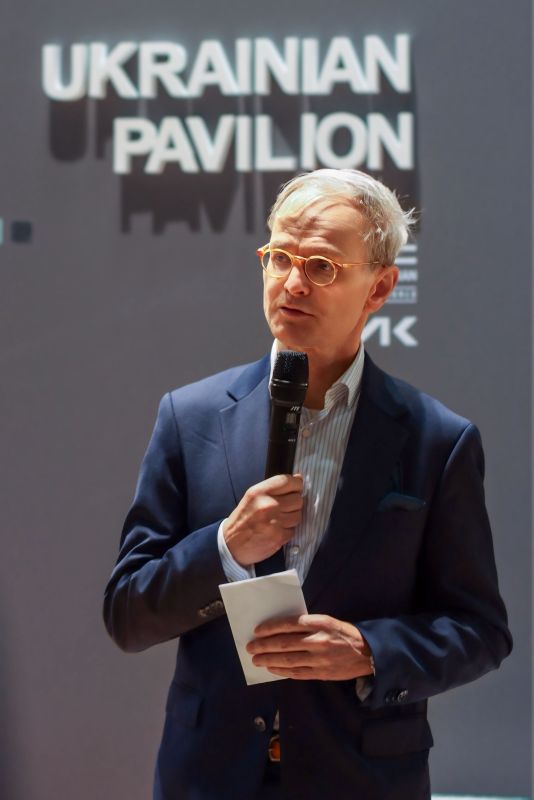
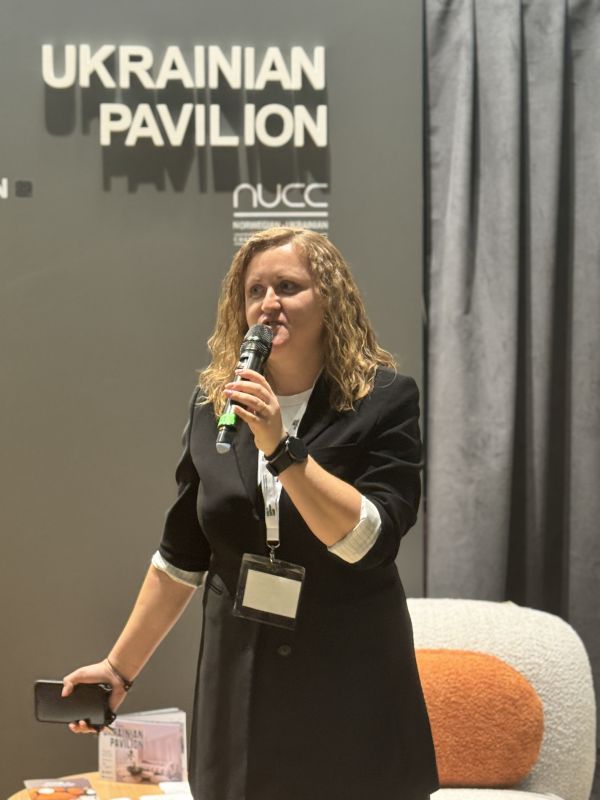
When, on September 1, the ribbon was cut by Ukraine’s Ambassador Oleksiy Havrysh together with Norwegian officials — Christian Syse, Special Representative for Ukraine at the MFA, Oksana Straz from the Lviv Furniture Cluster, and NUCC Managing Director Kjartan Tveitnes — there was a special energy in the room. Not ceremonial pomp, but something deeper: the pride of a nation that, despite all trials, continues to create beauty.
“We have proven that even in the most difficult times Ukrainian companies can compete with the best European manufacturers,” said Oksana Straz, Manager of the Lviv Furniture Cluster.
But perhaps the most striking moment came when Norwegian representative Truls Moholdt from UN Global Compact Norway stated: “Everything in Ukraine is working. A large part of the country is open and safe to visit.” It sounded like a direct reply to all stereotypes of Ukraine as merely “a country at war.”
Behind every exhibit in the pavilion stood a story of resilience. Alla Lisovska from Tivoli recounted how, just two weeks after the full-scale invasion began, the company resumed exporting. Today, 98% of Tivoli’s production is shipped to 17 countries worldwide.
While the world was glued to headlines of destruction, Ukrainian designers and manufacturers quietly carried on, building the future. While some spoke of aid, others became living examples of how to overcome circumstances.
“The best way to help Ukrainians is to give them jobs,” wisely remarked Oksana Straz. In that phrase lies the philosophy of an entire people — not waiting for charity, but offering partnership.
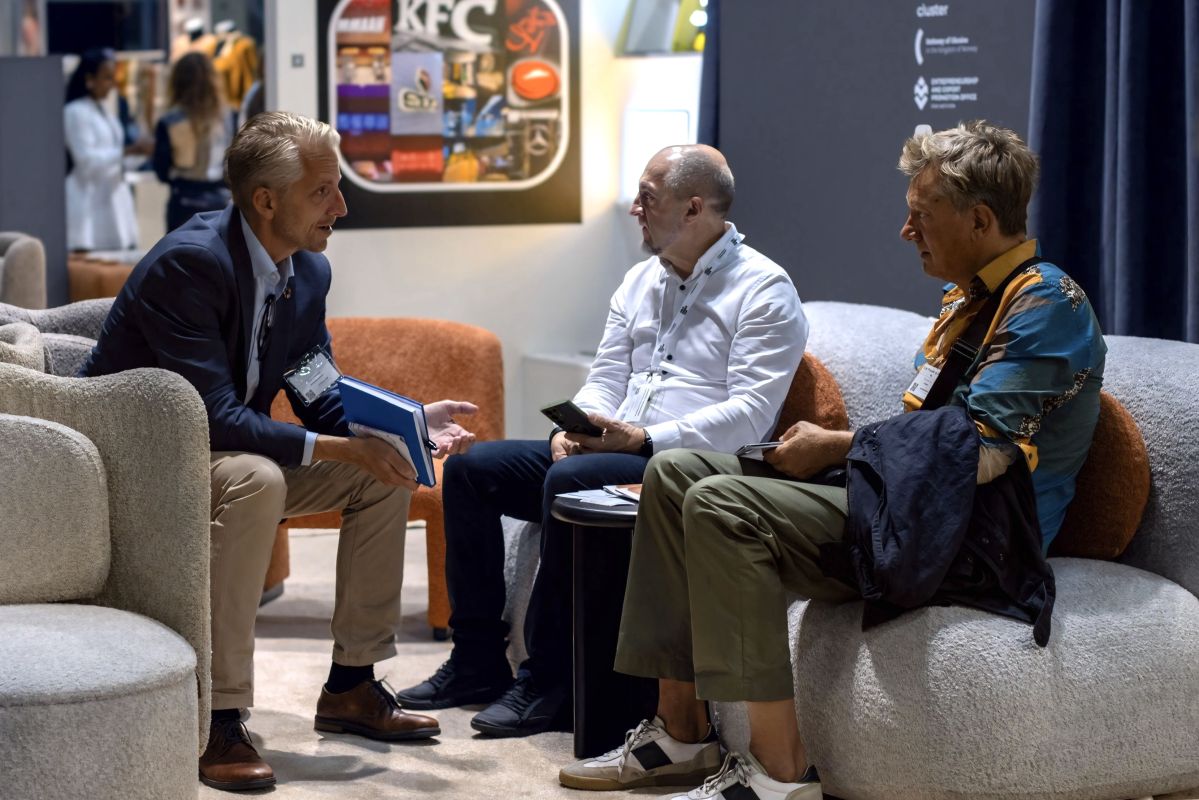
The most fascinating experiment of the pavilion was its very model. Eleven independent brands stood together under one roof. Not as competitors, but as allies. Not as scattered voices, but as a choir.
The result exceeded expectations. The cluster model proved its effectiveness: when companies stand together, their voice is louder and their opportunities multiply. The world noticed this synergy — and it became a lesson not only for Ukrainian business.
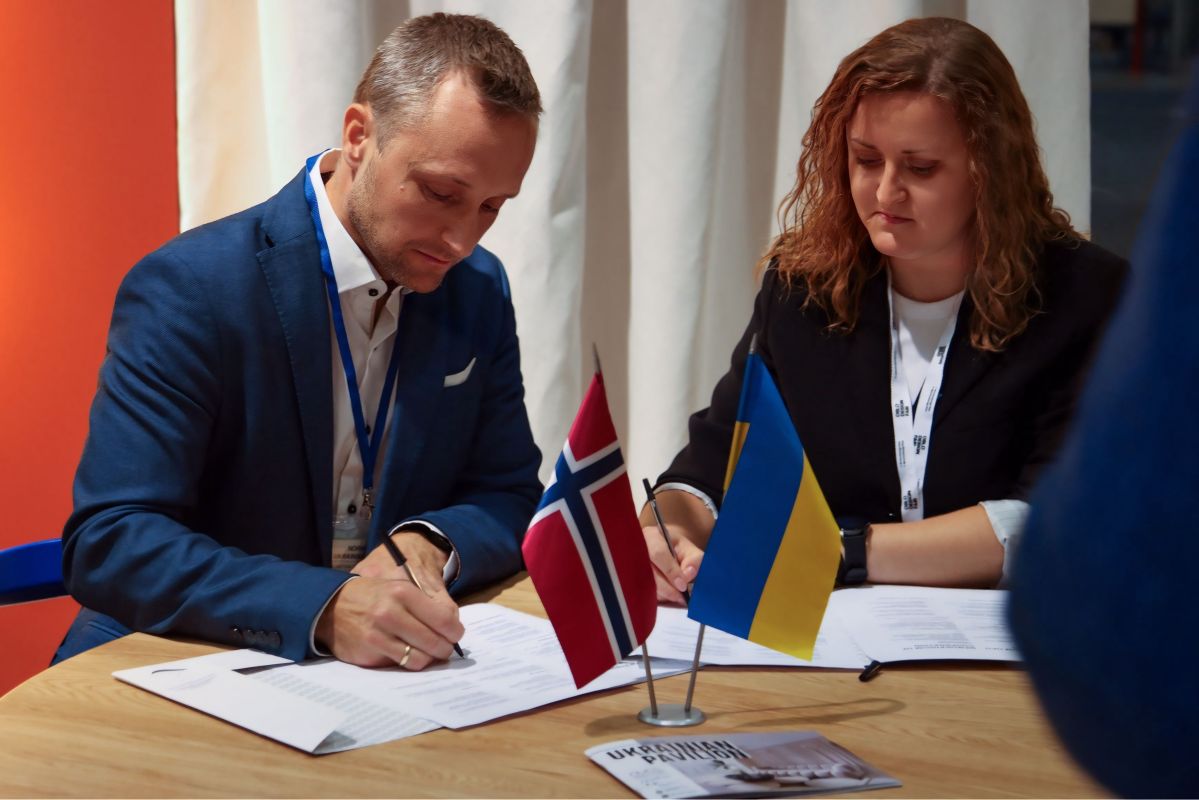
The signing of a Memorandum of Understanding between NUCC and the Lviv Furniture Cluster was more than a formal document. It symbolized how crises can become catalysts for new partnerships.
In a world where trust has become a scarce resource, Ukraine offers something rare: cooperation tested by fire. When Norwegian partners look at Ukrainian brands, they see not only quality products but also reliability forged through resilience.
The greatest achievement of the pavilion was how it changed the narrative about Ukraine. Instead of a country “in need of help,” the world saw a country “worth cooperating with.”
Scandinavian style, mentioned by Alla Lisovska, unexpectedly found resonance in Ukrainian aesthetics. Minimalism, functionality, closeness to nature — Ukrainian designers understand these values as well as the classics of the genre.
Oslo Design Fair 2025 was not a finish line but a starting point. Ahead lie new exhibitions, contracts, and projects. But most importantly — a changed perception of Ukraine worldwide.
Today, when someone in Scandinavia hears “Ukrainian design”, they will think not of headlines about destruction, but of stylish tables by Buryachkova Objects, elegant chairs from Tivoli, inventive solutions from Woodsoft and 4Corners. They will recall professionalism, creativity, and resilience.
Design has become the language through which Ukraine speaks to the world. And this language is understood by everyone — regardless of politics or culture. Beauty unites where words may divide.
In Lillestrøm, the Ukrainian Pavilion proved a simple truth: the strongest weapon of a nation is its ability to create the future, even when surrounded by chaos. And this future looks stylish, functional, and profoundly Ukrainian.

.png)
