

An eco-industrial park (EIP) is a community of manufacturing and service companies located within a shared territory that intentionally collaborate to improve their environmental, economic, and social performance.
The core idea is simple: collective action creates more value than isolated efforts by individual companies.
In an EIP, the waste of one company becomes the resource of another.
Shared sorting and recycling facilities are created, while models like “resources as a service” enable the reuse of water, heat, and materials without additional expenses.
For furniture manufacturers, the EIP model opens new levels of efficiency:
Eco-industrial parks are not just about ecology.
They are about savings, innovation, and long-term competitive advantage for furniture companies that already think about tomorrow’s market.
In 2025, the international consulting group IPG conducted a major study for UNIDO—
“Integration of the EIP Approach into Industrial Clusters of Ukraine.”
The goal was to identify which Ukrainian clusters are most prepared to adopt EIP principles, determine barriers and opportunities, and develop recommendations for further development.
The analysis resulted in the Cluster Eco-Industrial Park Index (CEIP)—a metric that evaluates cluster readiness for the EIP model.
The Lviv Furniture Cluster ranked among 11 Ukrainian clusters with the highest potential, alongside leading machinery, agricultural, and logistics clusters.
Deep Assessment of Six Clusters
Experts conducted a detailed analysis of six clusters—UIC, LFC, PFC, AGROVIN, AGRODNISTER, and “Molfar.”
These clusters showed strong institutional maturity, significant material flows, and clear readiness for cooperation—meaning they are already capable of becoming regional EIP platforms.
Maximum Score for the Lviv Furniture Cluster
Within the group of high-potential clusters, the Lviv Furniture Cluster received the maximum score: 15 out of 15, thanks to:
These examples show that the Lviv furniture ecosystem already operates according to EIP logic, even without formal status or specialized infrastructure.
The next step is scaling these practices into a full, regionally integrated EIP model.
UNIDO and IPG emphasize that coordinated strategy, operational planning, and institutional cooperation are essential for systematic EIP development, enabling regions to attract national and international support.
For the Lviv Furniture Cluster, this means several priority directions:
The Lviv Furniture Cluster already demonstrates a powerful model of industrial symbiosis.
The next stage is to secure this role in regional strategies and transform the ecosystem into a full-fledged, European-level eco-industrial park.
Lviv Furniture Cluster: A Prototype Eco-Industrial Park and a Driver of Green Regional Modernization
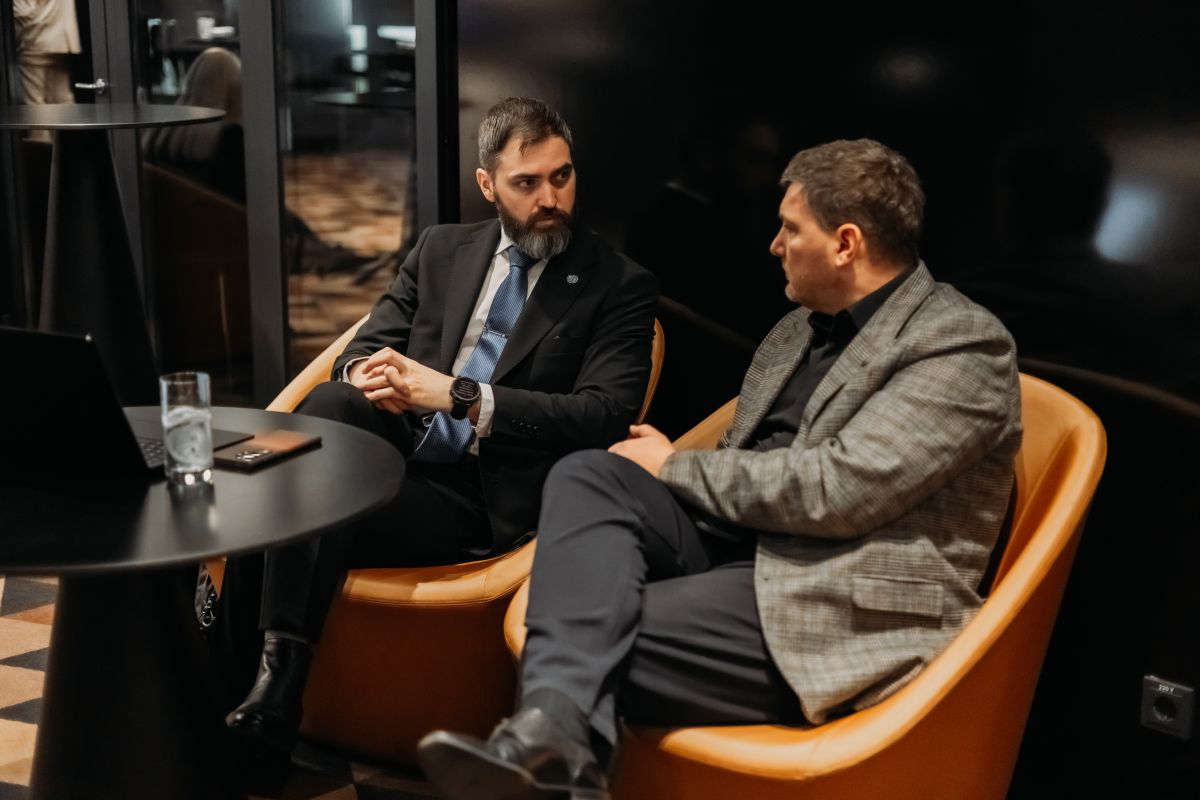
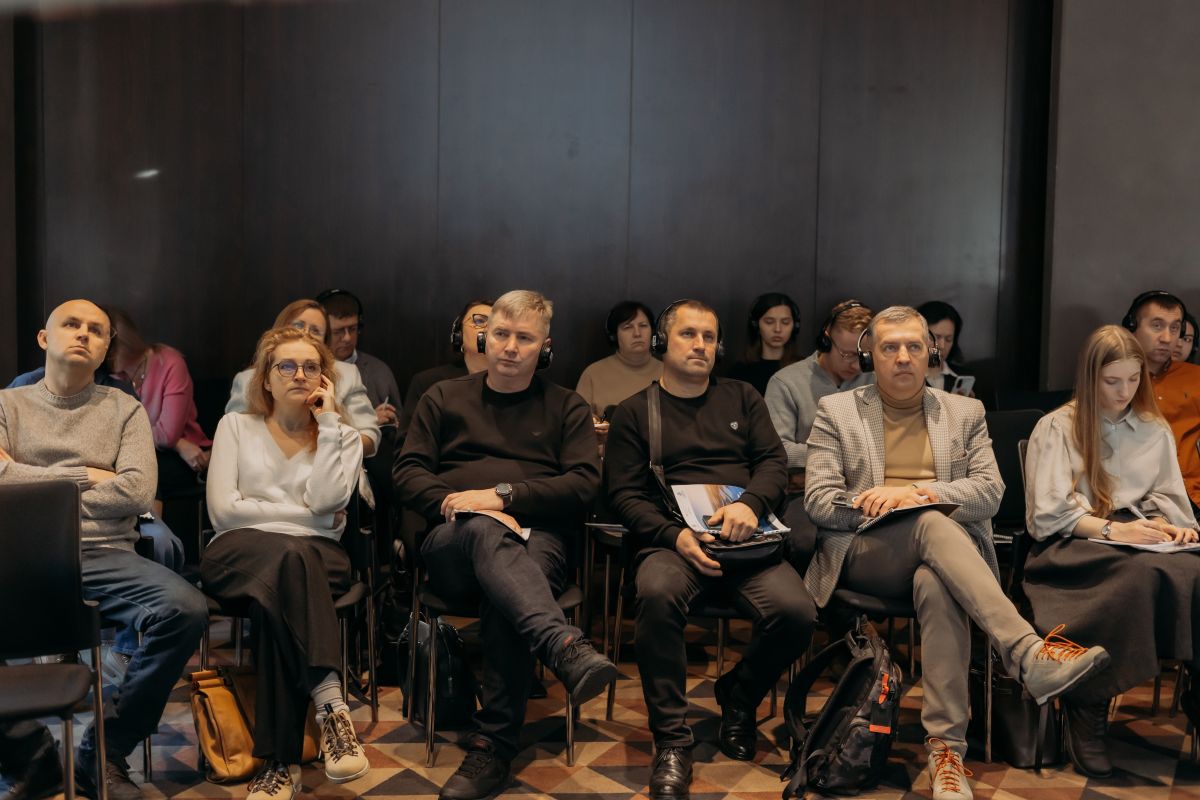
On December 8, 2025, the UNIDO GEIPP Ukraine seminar took place in Lviv, where experts Michael Weber and the IPG analytics team presented the advantages of the EIP model, findings of the Ukrainian cluster study, and tools for inclusive and sustainable industrial planning.
For the Lviv Furniture Cluster, the event reaffirmed its national leadership:
UNIDO–IPG recognized it as one of the clusters with the highest potential for transformation into an eco-industrial park and one of the strongest examples of circular industrial symbiosis in Ukraine.

.png)
